If you are planning a transaction involving escrow, be aware that recent legislative updates could influence your next steps—particularly if you're eligible to transfer your property tax base. Additional documentation may be necessary to proceed with the process.
Understanding Proposition 19 ( Prop 19 ) and Real Estate Taxes
Proposition 19, which came into effect for transactions occurring on or after February 15, 2021, brought significant modifications to California’s property tax regulations. This legislation reshaped property tax exemptions for specific property transfers, particularly benefiting some homeowners while reducing benefits for others.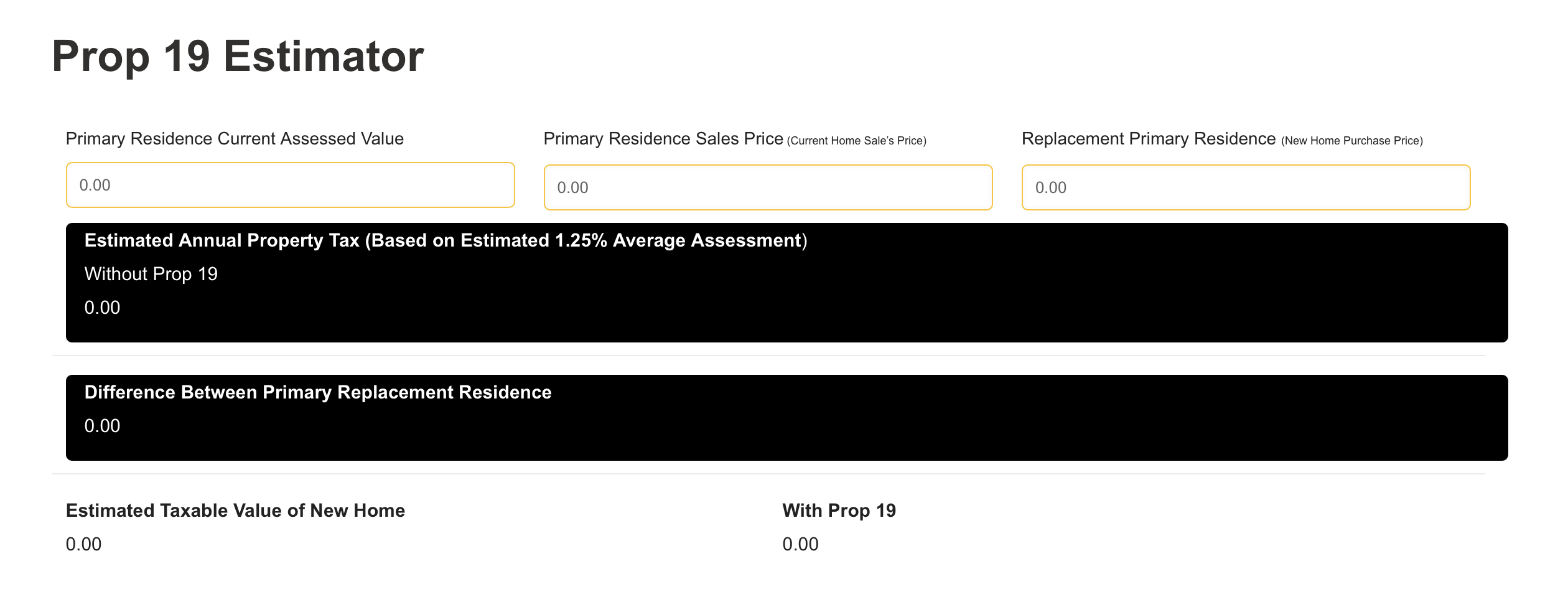
Who Benefits:
- Homeowners aged 55 and older
- Individuals with severe disabilities
- Victims of wildfires or natural disasters
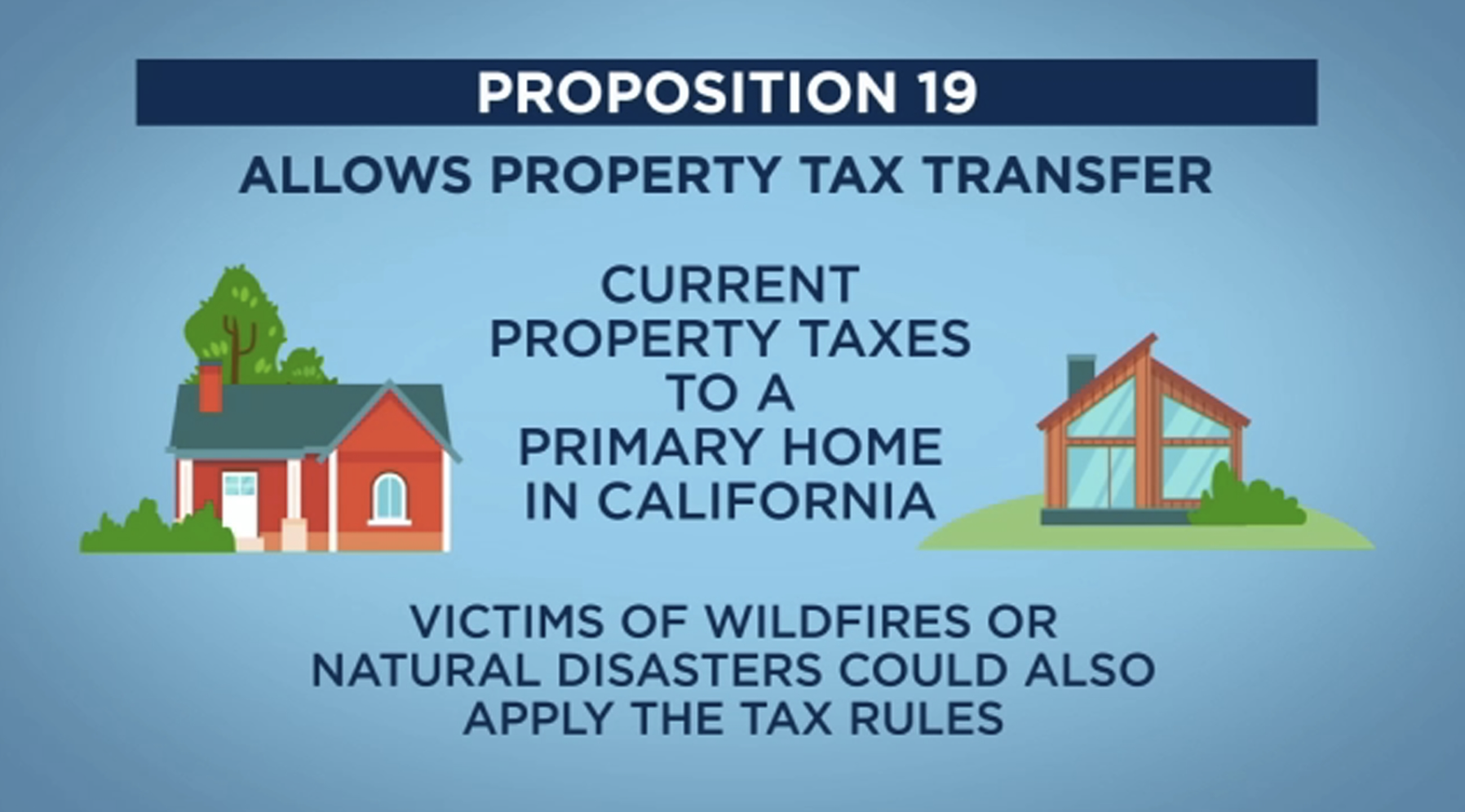
- Eligible individuals in these groups can now transfer the taxable value of their primary residence to a replacement home anywhere within California, potentially multiple times. Notably, even if the new property is of greater value, the tax benefits may still apply—something not allowed under the old rules.
Who Faces New Limits with Prop 19?
Families transferring property between generations
Proposition 19 narrows the scope of tax relief available for parent-to-child (and some grandparent-to-grandchild) property transfers, making it more difficult for families to maintain low property tax assessments on inherited properties.
Prop 19 Estimator/ Calculator
DISCLAIMER: This Prop 19 property tax estimation calculator is based on the California Association of Realtors analysis of Prop 19. These are only estimates. Each county and city has different tax assessments that may apply. To get an exact figure you should consult with a professional tax and real estate advisor.
Previous Property Tax Guidelines and Exemptions
Under the existing structure defined by Proposition 13 (enacted in 1978), property tax assessments in California are based on the purchase price and the cost of any improvements. Without a "change in ownership," the assessed value can only increase by up to 2% per year.
This long-standing rule has allowed long-term property owners to enjoy relatively low property taxes compared to those buying real estate at today’s market rates.
Two major exemptions were previously in place to continue this tax benefit during family transfers:
Primary Residence Transfers: A child could inherit the parent’s assessed value without reassessment, regardless of the property’s current market worth.
Other Property Transfers: Up to $1 million of assessed value in other properties—such as commercial or non-primary residential real estate—could be transferred without triggering reassessment.
What Has Changed Under Proposition 19?
Parent-to-Child Transfer Adjustments:
The new rules now restrict property tax relief in two major ways:
Only the transfer of a primary residence that the child continues to use as their own principal residence is eligible.
The tax benefit depends on how much the property’s current market value exceeds the parent’s assessed value:
If the difference is less than $1 million, the child can inherit the parent’s tax base.
If the difference is $1 million or more, the new assessment will be based on the market value minus $1 million.
New Flexibility for Homeowners Over 55, Disabled, or Disaster Victims:
Prior to Prop 19, homeowners in these categories could transfer their tax base just once, and only within the same county or among a limited group of counties under Propositions 60 and 90. Now, starting April 1, 2021, they may:
- Transfer their tax base up to three times
- Move anywhere within California
- Purchase a more expensive home and still receive a partial property tax benefit
Need Assistance?
To better understand how these changes might apply to your specific situation, reach out to your local county assessor’s office for guidance on Proposition 19 and related documentation requirements.